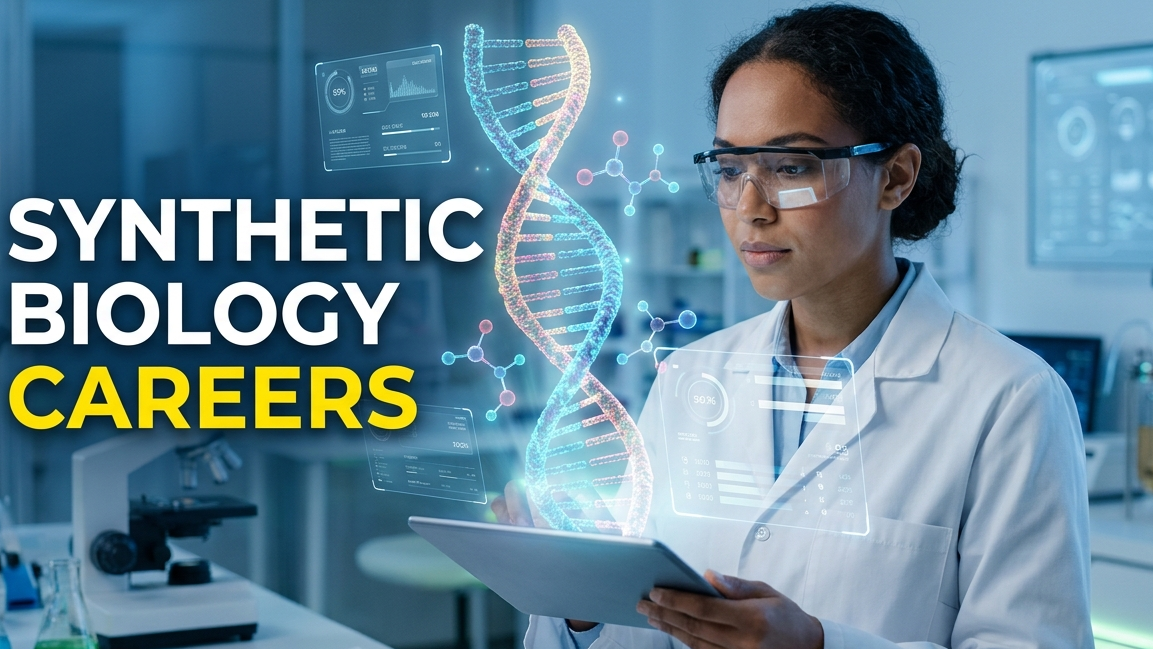
Synthetic Biology Careers: Scope, Skills, and Your Future Education Path
The world of science is currently witnessing a revolution that rivals the digital age. Moreover, this transformation is driven by a field known as synthetic biology. Many students are now asking, “What is synthetic biology?” and more importantly, “How can I build a future in it?” Therefore, understanding the scope of this field is essential for any aspiring scientist today.
Synthetic biology is essentially the engineering of biology. In addition, it involves redesigning organisms for useful purposes by giving them new abilities. As a result, we are seeing breakthroughs in medicine, agriculture, and even green energy. Furthermore, recent biotechnology curriculum reforms are placing a massive spotlight on this discipline. Consequently, now is the perfect time to explore synthetic biology careers.
Understanding the Basics of Synthetic Biology
Before diving into the career roadmap, we must define the core of the subject. In addition, synthetic biology combines biology, engineering, and computer science. Therefore, it is not just about observing nature; it is about building with it. As a result, scientists can now “write” DNA sequences just like a programmer writes code.
Moreover, this field differs from traditional genetic engineering because of its scale. Instead of moving one gene, synthetic biologists design entire biological systems. Consequently, this allows for the creation of sustainable biofuels or even lab-grown meat. In addition, the potential to solve global crises like climate change is immense. Therefore, the field is as meaningful as it is technically advanced.
Why Synthetic Biology Careers are Trending in 2026
You might notice that biotechnology is making headlines daily. Moreover, news outlets like The Times of India have highlighted that curriculum reforms are focusing heavily on this area. Therefore, academic institutions are racing to prepare students for a new job market. As a result, there is a significant shift in how biology is taught at the high school and college levels.
Furthermore, the industry demand for experts who can manipulate biological data is skyrocketing. In addition, companies are looking for individuals who understand both the wet lab and the digital interface. As a result, a degree in biology is no longer just about the microscope. Consequently, students who specialize in synthetic biology early on will have a massive competitive advantage.
The Educational Roadmap for Aspiring Scientists
Building a successful career in this field requires a solid foundation. Moreover, your education path usually begins with a strong focus on STEM subjects. Therefore, in high school, you should prioritize biology, chemistry, and mathematics. In addition, learning basic computer programming will be incredibly beneficial as you move forward.
As a result, your undergraduate degree should ideally be in Biotechnology, Bioengineering, or Molecular Biology. Furthermore, many universities are now offering specialized minors in Synthetic Biology. Consequently, choosing these electives can help you understand the engineering side of life sciences. Moreover, pursuing a Master’s or a PhD is often recommended for those wanting to lead research teams.
Starting with a Strong Undergraduate Foundation
- Focus on Molecular Biology and Genetics.
- Take courses in Bioinformatics and Data Science.
- Engage in internships at biotech startups.
Advancing with Specializations
- Master’s degrees in Systems Biology or Bioengineering.
- Doctoral research focusing on CRISPR or Metabolic Engineering.
- Participating in international competitions like iGEM.
Essential Skills for the Synthetic Biology Industry
To excel in synthetic biology careers, you need a unique blend of skills. Moreover, it is no longer enough to be good at just one thing. Therefore, the modern synthetic biologist is a “polymath” of sorts. In addition, technical proficiency in DNA sequencing and synthesis is a non-negotiable requirement.
Furthermore, soft skills like problem-solving and collaboration are equally vital. As a result, you will often work in multidisciplinary teams consisting of engineers and data scientists. Consequently, being able to communicate complex biological ideas to a non-expert is a huge asset. Moreover, staying updated with the latest ethical guidelines is crucial for responsible innovation.
Technical Skills to Master
- CRISPR-Cas9 and other gene-editing tools.
- Python or R for biological data analysis.
- Microfluidics and lab automation technologies.
Soft Skills for Career Growth
- Critical thinking for complex system design.
- Team collaboration across different scientific domains.
- Strong ethical judgment regarding genetic modification.
Career Scopes: Where Can You Work?
The beauty of this field lies in its diversity. Moreover, synthetic biology careers span across multiple high-growth industries. Therefore, you are not limited to just one career path. In addition, the healthcare sector is a major employer, focusing on personalized medicine and vaccine development.
Furthermore, the environmental sector is looking for ways to create biodegradable plastics. As a result, synthetic biologists are being hired to design microbes that eat waste. Consequently, the agricultural industry is also seeking experts to create drought-resistant crops. In addition, even the fashion industry is hiring bio-designers to create sustainable lab-grown leather.
Opportunities in Healthcare and Pharma
- Developing next-generation antibiotics.
- Creating synthetic organs and tissues.
- Designing personalized cancer therapies.
Roles in Sustainability and Environment
- Engineering microbes for carbon sequestration.
- Developing clean biofuels from algae.
- Creating bio-sensors for detecting pollutants.
Industry Demand and Future Outlook
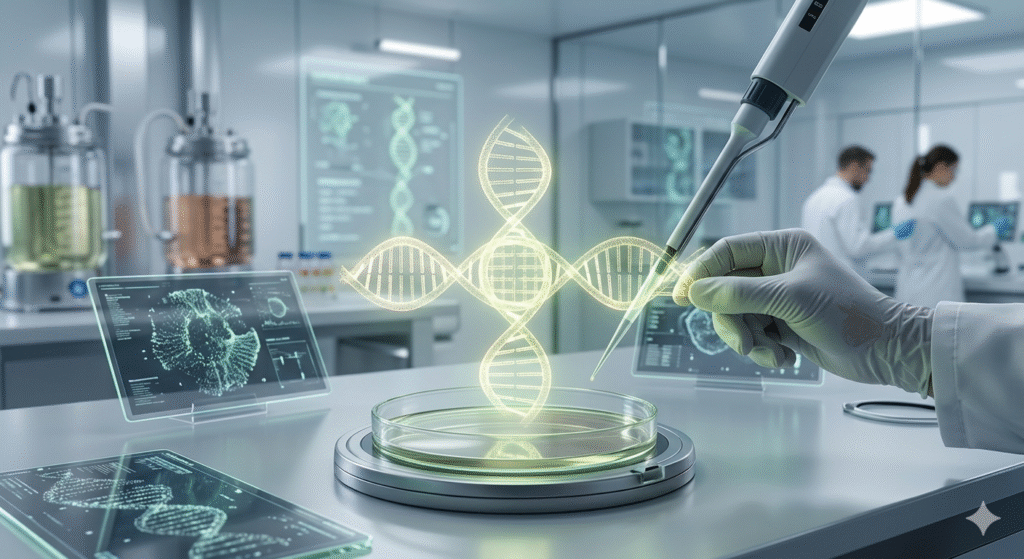
The demand for synthetic biology experts is projected to grow exponentially. Moreover, as governments push for “Green Deals,” the need for biological solutions increases. Therefore, the job market is incredibly robust for those with the right training. In addition, venture capital is pouring into biotech startups at record levels.
As a result, salaries in this field are becoming highly competitive. Consequently, many students are choosing synthetic biology over traditional medical paths. Furthermore, the ability to work on cutting-edge technology that changes the world is a powerful motivator. Therefore, the future of synthetic biology careers looks both lucrative and impactful.
Frequently Asked Questions (FAQs)
What is the average salary for a synthetic biologist? Salaries vary based on experience and location. Moreover, entry-level roles often start around $70,000, while senior researchers in the private sector can earn well over $150,000. Therefore, it is a financially rewarding path.
Do I need to be good at coding for synthetic biology? Yes, basic coding is becoming essential. In addition, tools like Python are used to model biological systems. As a result, having programming skills will make you much more employable in the modern biotech industry.
Is synthetic biology ethical? Ethics is a central part of the curriculum. Moreover, there are strict international regulations governing gene editing. Therefore, students are taught to innovate responsibly and consider the long-term impacts on society.
Conclusion: Your Future in Redesigning Life
In conclusion, synthetic biology is not just a trend; it is the future of the global economy. Moreover, by choosing to follow the synthetic biology careers path, you are positioning yourself at the forefront of innovation. Therefore, start by building your skills in both biology and engineering today. As a result, you will be ready to tackle the biggest challenges of 2026 and beyond. Furthermore, the world needs your creativity to build a more sustainable future.