
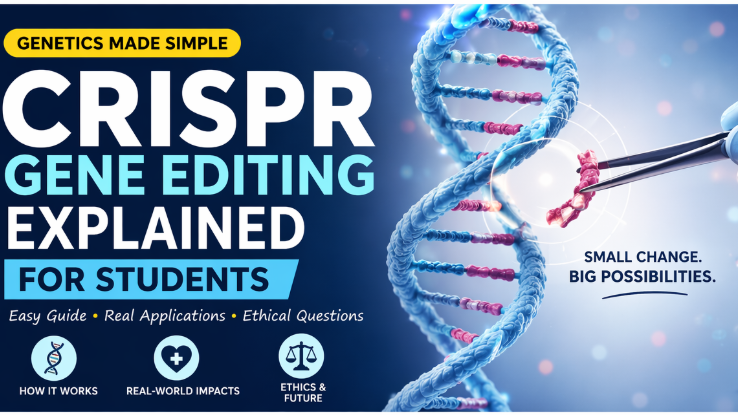
CRISPR Gene Editing Explained for Students (Easy Guide)
CRISPR gene editing is currently transforming the world of science and medicine. Therefore, understanding this groundbreaking technology is essential for any modern biology student. In addition, genetics remains one of the fastest-growing fields in both academic exams and professional research today. Consequently, this guide will explain the complex world of DNA modification in a way that is easy to visualize and understand.
What is CRISPR Gene Editing?
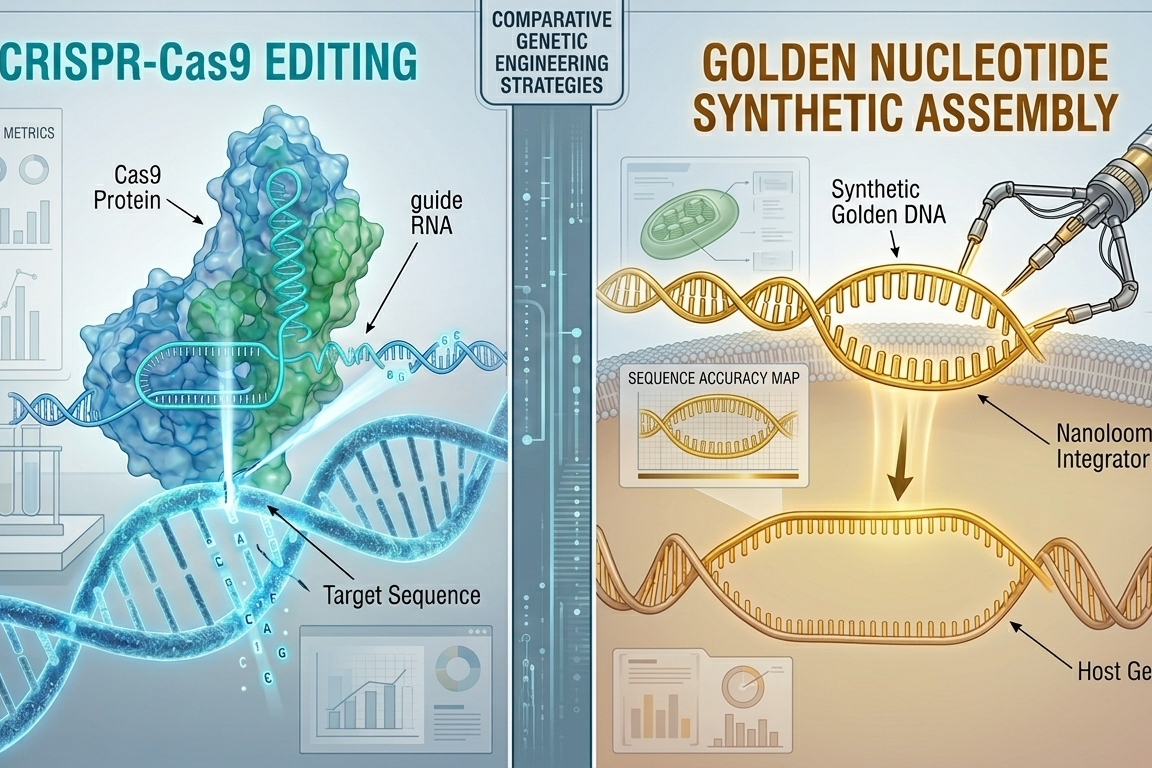
To begin with, we must define what CRISPR actually represents. The acronym stands for “Clustered Regularly Interspaced Short Palindromic Repeats.” While that sounds incredibly complicated, the actual concept is quite simple to grasp. Essentially, scientists use this technology as a pair of “molecular scissors” to cut DNA at specific locations.
Moreover, this system was originally discovered in bacteria. These tiny organisms use the mechanism as a natural defense against viruses. Therefore, by repurposing this biological tool, researchers can now edit the genetic code of plants, animals, and even humans. As a result, we have a tool that is faster, cheaper, and more accurate than any previous genetic engineering method.
How the Cas9 Protein Works
Furthermore, the secret to this technology lies in a specific protein called Cas9. Think of Cas9 as the actual blade of the scissors. However, the scissors need a guide to know exactly where to cut. This is where “guide RNA” comes into play. The RNA acts like a GPS, leading the Cas9 protein to a specific sequence of DNA.
Consequently, once the Cas9 reaches the target, it makes a clean cut through the double helix. After the cut is made, the cell attempts to repair the damage. During this repair process, scientists can insert new genetic information or disable a specific gene. In addition, this level of precision allows for incredible control over the basic building blocks of life.
Why Genetics is Trending in Education
Moreover, the field of genetics is expanding at an exponential rate. Therefore, students who master the basics of CRISPR gene editing now will have a significant advantage in future research careers. Many modern biology exams now feature questions specifically about genetic engineering and biotechnology.
In addition, the real-world impact of these technologies is visible in the news every single day. For instance, scientists are currently using gene editing to treat rare blood disorders and improve crop yields. As a result, biotechnology has become a cornerstone of the modern scientific curriculum.
Real-World Applications of CRISPR
1. Revolutionizing Modern Medicine
Furthermore, the medical applications of CRISPR gene editing are truly breathtaking. Doctors are testing ways to use this tool to cure hereditary diseases like sickle cell anemia. Because the tool can target specific mutations, it offers hope where traditional medicine has failed.
2. Enhancing Sustainable Agriculture
In addition to medicine, agriculture is benefiting immensely from genetic tools. Therefore, researchers are developing crops that can withstand extreme heat or resist pests without the use of chemical pesticides. Consequently, this technology could play a vital role in solving global food security issues.
3. Protecting the Environment
Moreover, scientists are exploring ways to use gene editing to save endangered species. By increasing the genetic diversity of small populations, we might prevent extinctions. As a result, CRISPR gene editing is not just a tool for labs, but a potential savior for our planet’s biodiversity.
Ethical Concerns and the Future
However, we must also consider the ethical implications of such powerful technology. Therefore, many people worry about the possibility of “designer babies,” where parents choose specific traits for their children. In addition, there are concerns about the long-term environmental effects of releasing gene-edited organisms into the wild.
Consequently, international science communities are working hard to create strict regulations. We must ensure that CRISPR gene editing is used responsibly and for the benefit of all humanity. Furthermore, open discussion and education are the best ways to ensure that this technology does not fall into the wrong hands.
CRISPR Gene Editing: A Bright Future
To summarize, the future of genetics looks incredibly promising. As we continue to refine these tools, the accuracy of CRISPR gene editing will only increase. Therefore, staying informed about these changes is crucial for students who wish to lead the next generation of scientific discovery.
In addition, the speed of innovation means that today’s students might be the ones to solve the world’s greatest medical challenges using these very tools. Consequently, the journey into the world of DNA has only just begun.
FAQs about CRISPR Gene Editing
- Is CRISPR safe? Scientists are still studying the long-term effects, but current research shows it is highly precise.
- Can CRISPR fix any disease? It has the potential to treat many genetic disorders, but it is not a “magic wand” for everything.
- Is it expensive? While cheaper than older methods, high-level gene editing still requires significant laboratory resources.
Conclusion and Key Takeaways
In conclusion, CRISPR gene editing is a revolutionary tool that is changing how we view biology. More importantly, it offers solutions to some of the most pressing issues in health and food production. Therefore, take the time to explore this topic further, as it will undoubtedly shape the world of tomorrow.


Great content! Keep up the good work!